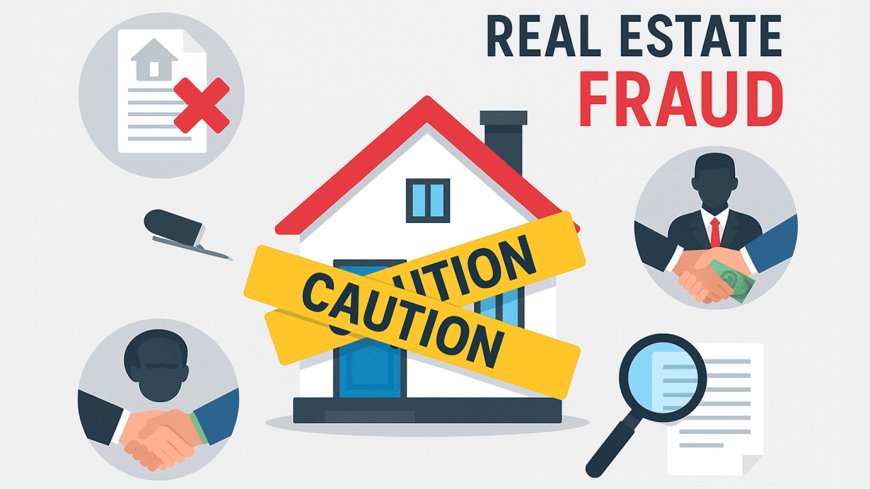
There was a time when people considered several factors before investing in real estate, including the location of the property, road connectivity and future development potential. However, the trend is changing.
Today, a video on a mobile phone can be enough to convince potential buyers. Impressive visuals and promises of extraordinary future returns are prompting many people to consider investments without adequate verification.
Platforms such as YouTube, Instagram and Facebook have become major channels for real estate marketing. Taking advantage of this trend, some unscrupulous operators are turning social media hype into a tool for fraudulent activities.
Videos featuring drone shots, wide roads, landscaped green spaces and visuals of proposed mega infrastructure projects create an attractive picture of a property's future. However, the ground reality may be very different, with land ownership disputes, missing approvals and incomplete infrastructure. The biggest risk arises when the project shown in promotional videos does not match the actual conditions at the site.
Paid Promotions Behind Hype
Some developers are approaching social media influencers with large followings to promote their real estate projects. Influencers visit these ventures, create promotional videos and claim that property prices will double soon or that investors can earn huge returns by investing immediately.
Some videos also create a sense of urgency by claiming that only a few plots are left and buyers must pay an advance immediately. However, prospective buyers often find it difficult to distinguish genuine reviews from paid promotions.
Also Read: Bharat Future City to Have 15,000 Acres of Green Spaces
Are Projects RERA-Registered?
The Central Government introduced the Real Estate (Regulation and Development) Act, 2016, to bring greater transparency and accountability to the real estate sector.
Under Section 3 of the Act, projects covered by the law cannot be advertised, marketed or sold without the required RERA registration. Section 11(2) requires advertisements to mention the project's RERA registration number and the authority's website details.
In Telangana, buyers can verify project registration and approval details through the TG-RERA website.
According to the figures cited in the available data, the official portal lists 11,210 registered projects, 5,231 registered agents and details of 2,958 complainants. However, RERA registration alone does not guarantee that a property is completely free from legal disputes.
Buyers must independently verify land ownership records, link documents, layout approvals from authorities such as HMDA or DTCP, and the Encumbrance Certificate (EC).
Essential Precautions for Property Buyers
Before investing in a real estate project promoted on social media, buyers should take the following precautions:
- Do not make a plot purchase decision based solely on a social media video.
- Verify the project's registration number on the TG-RERA website.
- Check approvals from HMDA, DTCP or other relevant authorities.
- Get link documents and land ownership records examined by a legal expert.
- Visit the venture in person and inspect roads, drainage, electricity and drinking water facilities.
- Do not fall for unusually low-priced offers or pressure tactics demanding immediate advance payments.
Digital Trust isn't a Guarantee of Safe Investment
Real estate investment involves hard-earned savings and often represents one of the biggest financial decisions in a person's life. Attractive videos, millions of views and thousands of likes do not establish a project's legal validity. If buyers fail to distinguish between social media hype and actual ground conditions, they are the ones who ultimately risk losing their money.
There is a growing need to strengthen the responsibilities of promoters, the accountability of developers and monitoring by government departments. Until then, property buyers must remember one simple rule: before trusting a project seen in a reel, visit the site and verify its reality.
Also Read: Hyderabad Emerges as an NRI Fav Destination for Investment